By ReNew Dental Surgery | January 19, 2026
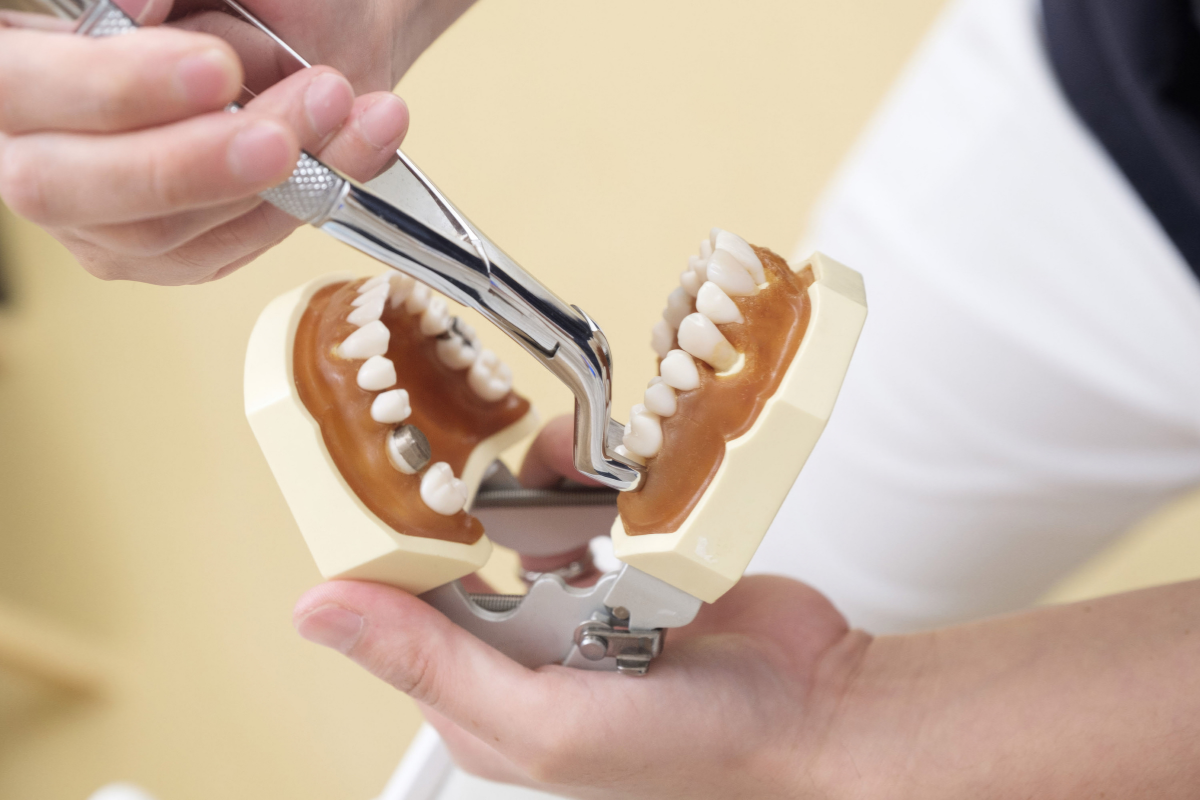
Getting a tooth pulled sounds scary, right? A lot of people think it’s a last-ditch move, only for desperate cases. And honestly, there’s no shortage of myths out there that make people even more nervous – worries about pain, recovery, or things going wrong. That fear can keep people from seeing the oral & Maxillofacial surgeon when they really need to. At ReNew Dental Surgery in El Monte, we want to set the record straight and give you the facts, so you actually know what to expect and can make smart choices about your teeth.
Maybe you’ve got a tooth that’s falling apart, or your wisdom tooth is causing trouble, or something else entirely. Either way, knowing the truth about extractions can take away a lot of the stress. Let’s bust some common myths.
Myth #1: Tooth Extraction Is Always Painful
This one comes up a lot. People imagine the worst, sharp pain, a horrible experience, but that’s just not how it goes these days.
Here’s what actually happens: Before we do anything, we numb the area with local anesthesia. You won’t feel pain during the extraction; you’ll just feel a bit of pressure. If you’re feeling anxious, we have sedation options, too. Sure, after the procedure, you’ll probably feel sore for a bit, but over-the-counter pain relievers usually handle it.
Myth #2: Losing a Tooth Ruins Your Smile
A lot of people worry that pulling a tooth will leave a big, obvious gap. No one wants to walk around with a hole in their smile.
But here’s the good news: Dentistry has come a long way. Implants, bridges, and dentures can fill that space and look completely natural. For most patients, tooth extraction is just the first step to a healthier mouth, and we’ll help you pick the best way to restore your smile.
Myth #3: Recovery Takes Forever
People picture days of lying on the couch, an ice pack on your face, barely able to eat. Honestly? Most recoveries are quicker than that.
Usually, you’ll have some swelling or mild discomfort for a few days, but it fades fast. Stick to your oral surgeon’s instructions – avoid certain foods, don’t smoke, keep your mouth clean, and you’ll heal up without much hassle. Most patients return to their normal routines within a week.
Myth #4: Only Wisdom Teeth Need Pulling
Wisdom teeth get all the attention, but they’re not the only teeth that sometimes need to go. Teeth that are badly decayed, infected, broken, or causing crowding can also need removal to keep your mouth healthy. We look at each case and decide what’s best for you – there’s no one-size-fits-all.
Myth #5: Extraction Causes More Problems Later
Some people are convinced that pulling a tooth is just asking for trouble – shifting teeth, bite problems, jaw issues.
Actually, if you leave a bad tooth alone, it can make things worse. Infection can spread, or your other teeth can get crowded or damaged. Removing the problem tooth and replacing it with an implant or bridge prevents bigger problems before they start. We’ll walk you through how to keep your mouth healthy after an extraction.
Myth #6: Only Adults Get Teeth Pulled
Not true. Kids and teens sometimes need extractions, too, like when baby teeth won’t fall out, there’s overcrowding, or a tooth is impacted. Pulling a tooth in these situations helps their mouths develop properly and prevents headaches down the road.
Myth #7: You Can’t Eat or Drink After an Extraction
People hear all sorts of things—don’t eat, don’t drink, just sit there and suffer. That’s not quite it. You do need to avoid hot foods and drinks, and you have to follow a few guidelines, but you can still eat and drink. We’ll give you a list of safe options, so you stay comfortable and heal well.
Myth #8: Tooth Extractions Are Expensive
A lot of people think getting a tooth pulled will break the bank, so they put it off. Sure, dental work sometimes isn’t cheap, but here’s the thing – removing a problem tooth now can actually save you money down the line. It helps you avoid bigger, more expensive dental issues later.
At ReNew Dental Surgery, we’re all about finding solutions that fit your budget. Tooth extraction often eliminates potential dental concerns that would cost a lot more to fix down the road. We accept lots of insurance plans and have financing options, too, so you don’t have to stress over the price.
Tooth extraction isn’t rare or unusual. Sometimes, it’s just necessary to keep your mouth healthy. Our team in El Monte makes the whole process as smooth and comfortable as possible. If you’ve got a troublesome tooth or just want to talk through your options, we’re ready to help.
Set up a consultation at ReNew Dental Surgery. We’ll walk you through everything and make sure you feel taken care of every step of the way.
FAQs
1. How long does the tooth extraction procedure take?
The procedure typically takes between 30 to 60 minutes, depending on the complexity of the extraction.
2. Will I be awake during the procedure?
You will be numbed with a local anesthetic to ensure you’re comfortable. Sedation options are available for anxious patients.
3. How soon can I return to work or school?
Most patients can return to normal activities within a few days, though it’s best to avoid strenuous activity for a week.
4. What are the risks of tooth extraction?
As with any surgical procedure, there are some risks, including infection, bleeding, and dry socket. However, these are rare and manageable with proper care.
5. How long will it take to heal after a tooth extraction?
The initial healing phase typically lasts 1-2 weeks, though full recovery may take several months if you opt for a dental implant or a bridge.
6. Can I drive myself home after the procedure?
If you opt for sedation, you should arrange for someone to drive you home. Otherwise, you can typically drive yourself.
Related Articles
Schedule Your Consultation With Us Today!
Don’t wait to enjoy a confident, healthy smile. Contact us today to schedule your consultation and take the first step toward lasting results. Our friendly team is ready to guide you every step of the way.