By ReNew Dental Surgery | December 29, 2025
Tooth extractions can be a crucial step toward better oral health, whether you’re preparing for a dental implant, dealing with an impacted wisdom tooth, or managing other dental concerns. After the procedure, what you eat plays a significant role in your recovery. In this blog, we’ll explore the 10 best foods to eat after a tooth extraction and which foods to avoid to ensure a smooth healing process. Let’s dive into the key guidelines for a quick and comfortable recovery.
Why What You Eat Matters After Tooth Extractions
After a tooth extraction treatment, the healing process is as much about what you put into your body as it is about following proper aftercare practices. Consuming the wrong foods can interfere with blood clotting and slow your recovery, while eating the right foods can promote healing and comfort. Dr. Joshua Lee recommends sticking to soft, nutritious options for the first few days post-extraction to avoid disturbing the extraction site.
Foods You Can Enjoy After a Tooth Extraction
- Smoothies
Smoothies are a great way to get essential nutrients without chewing. If you have recently undergone tooth extractions in El Monte, opt for fruit smoothies with yogurt or milk to help soothe the area and provide a rich source of vitamins and protein.
- Applesauce
A mild, soft food like applesauce is easy on the healing socket and packed with vitamins. Just be sure to avoid chunky varieties that may require chewing.
- Mashed Potatoes
Soft mashed potatoes are perfect for the initial recovery days. They are gentle on your mouth, easy to swallow, and can be enriched with milk or butter for added comfort.
- Eggs
Scrambled eggs are soft, protein-packed, and nutrient-rich, making them an ideal post-extraction food choice.
- Yogurt
Yogurt is smooth and calm, which can help relieve any swelling or discomfort in your mouth. It also contains probiotics that are great for digestion.
- Broth-based Soups
Clear, broth-based soups are hydrating and nourishing without requiring chewing. Avoid any soups that are too hot or contain chunks of food that might irritate your extraction site.
- Cottage Cheese
Cottage cheese is soft and easy to swallow, making it a great source of protein without any chewing effort. Choose plain varieties to avoid any added sugars or acidic flavors.
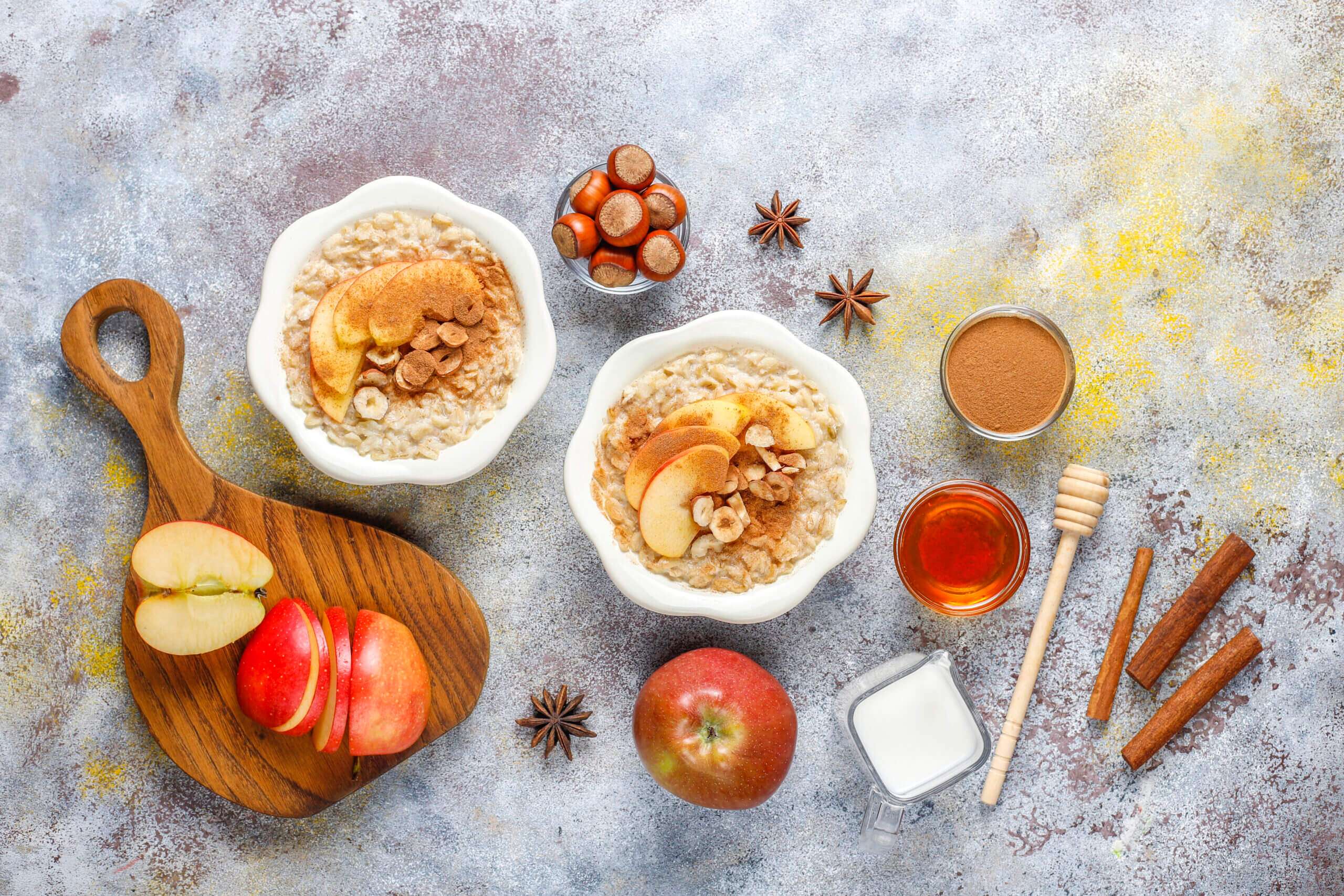
- Oatmeal
Oatmeal can be soothing and soft, making it easy to eat after tooth extractions in El Monte. Be sure to let it cool down to a comfortable temperature before eating.
- Ice Cream (Without Nuts or Hard Pieces)
Cold foods, such as ice cream, can help reduce swelling after the procedure. Opt for plain varieties without hard chunks to avoid irritation.
- Pudding
Pudding is smooth and easy to eat, making it a comforting food choice that requires little effort to chew.
Foods to Avoid After a Tooth Extraction
While soft foods can aid in the dental healing process, there are certain foods you should avoid to ensure your recovery goes smoothly:
- Hard and Crunchy Foods: Nuts, chips, and hard candies can irritate the extraction site and may get lodged in the wound.
- Hot Foods and Beverages: Extremely hot foods or drinks can increase swelling and disrupt the blood clot, delaying the healing process.
- Spicy Foods: Spices can irritate the mouth and cause discomfort around the healing socket.
- Acidic Foods: Citrus fruits, tomatoes, and vinegar-based products may sting or cause discomfort in the extraction site.
- Alcohol: Alcohol can interfere with the healing process and the effectiveness of gum pain medications. It’s best to avoid it for at least 48 hours post-surgery.
- Chewy Foods: Foods like steak or chewy bread can require excessive effort to chew and may disturb the extraction site.
- Sugary Snacks: Sugary foods and drinks can promote bacterial growth and, if consumed during healing, potentially cause infections in the healing socket.
Conclusion: Healing Starts with the Right Nutrition
After tooth extractions in El Monte, following the proper care guidelines, including eating the right foods, is key to promoting faster recovery and minimizing complications. Be sure to stick to soft, nutrient-dense foods and avoid complex, spicy, or acidic items that could interfere with healing. If you’re unsure about what to eat or have concerns about your recovery, don’t hesitate to contact us.
Need Help with Your Tooth Extraction Recovery?
If you’ve recently undergone a tooth extraction and need personalized care, ReNew Dental Surgery is here for you. Dr. Joshua Lee and his team are dedicated to providing a comfortable, healing-focused experience, ensuring you receive the best possible care for a smooth recovery.
Schedule your consultation today and take the next step toward a healthier smile.
FAQs
1. How long should I wait before eating after a tooth extraction?
It’s best to wait for at least 2 hours after the procedure before eating anything. Start with soft, cool foods and avoid hot, spicy, or hard items.
2. Can I drink through a straw after a tooth extraction?
Avoid using a straw for at least 24 hours, as the suction can dislodge the blood clot and delay healing.
3. Is it safe to eat solid food after a few days?
You can gradually begin eating solid foods 3-5 days after your extraction, but avoid anything too hard or chewy.
4. Can I eat dairy after a tooth extraction?
Yes, soft dairy products like yogurt, pudding, and milk are great options for post-extraction recovery.
5. How can I manage pain while eating after my tooth extraction?
Stick to cold foods like smoothies or ice cream to help numb the area and reduce pain. If you’re experiencing significant discomfort, consult your dentist.
6. When can I resume normal eating after a tooth extraction?
Normal eating can usually resume after 7-10 days, depending on the healing process and your dentist’s instructions.
7. What if I experience swelling or bleeding after eating?
Swelling and light bleeding are normal immediately after a tooth extraction. However, if the symptoms persist or worsen, contact your dentist immediately.
Schedule Your Consultation With Us Today!
Don’t wait to enjoy a confident, healthy smile. Contact us today to schedule your consultation and take the first step toward lasting results. Our friendly team is ready to guide you every step of the way.