By ReNew Dental Surgery | November 10, 2025
Losing teeth can affect your smile and confidence level. Be it due to injury, decay, or natural wear, missing teeth may make many normal activities, like chewing and speaking, problematic and uncomfortable in public. Fortunately, dental implants offer a lasting solution that may help restore your smile, functionality, and self-esteem.
If you are considering this procedure, you may wonder if dental implants are right for you. This guide will walk you through the key factors that determine whether you are a good candidate for this transformative procedure. This way, you can make an informed decision about your dental health.
What is a Dental Implant?
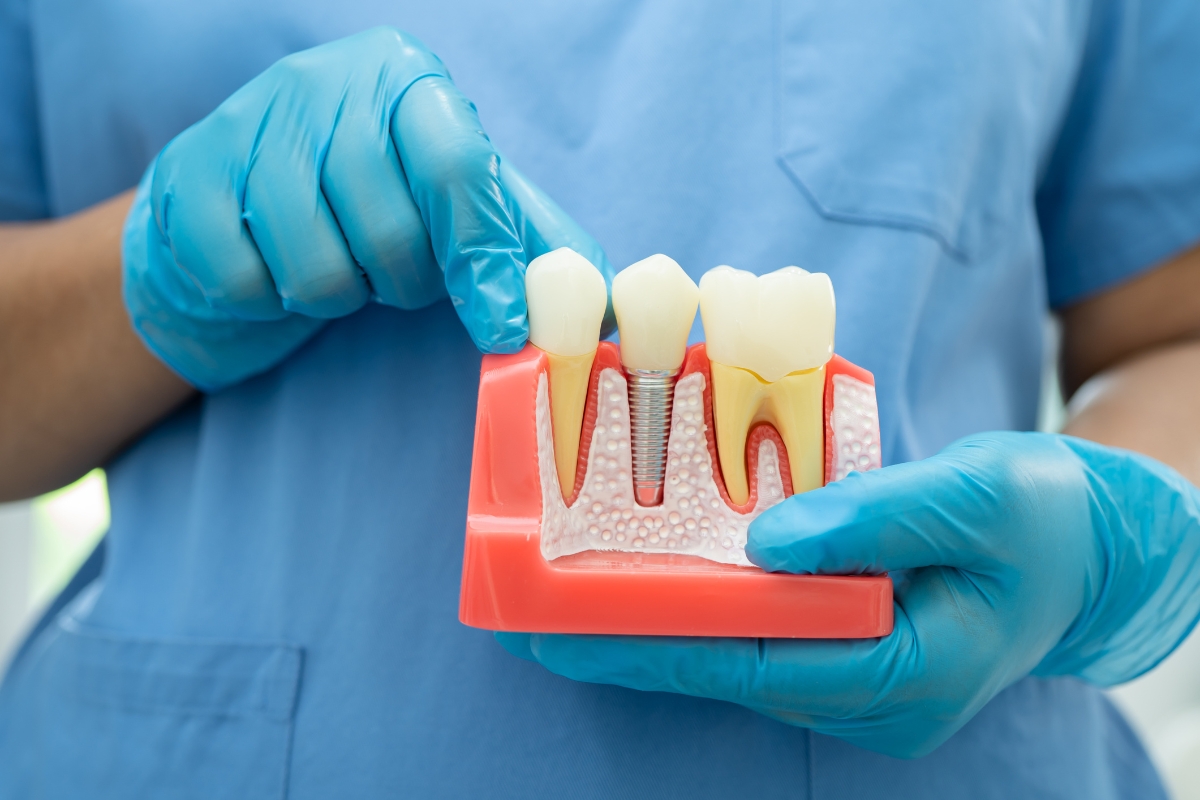
These are permanent replacements for missing teeth. The procedure involves placing a small titanium post in your jawbone, which serves as a root for a replacement tooth. Over time, this post fuses with the bone through a process called osseointegration and provides a secure platform for a crown, bridge, or even a full set of teeth in cases of full-mouth dental implants.
Key Considerations for Dental Implant Candidacy
Dental implants are not ideal for everyone. Even as the procedure offers a life-changing solution for many, before proceeding with dental implants in El Monte, California, there are a few factors to consider.
Good Overall Health
Your overall health plays a significant role in whether you are a good candidate for dental implants. Health conditions such as diabetes or heart disease can impede healing; therefore, it is essential to discuss pre-existing conditions with your implant dentist or oral surgeon before the procedure. Your dentist will need to consider these conditions and how they may impact the outcome of your implant procedure.
Adequate Density of the Jawbone
The condition of your jawbone is one of the critical factors in determining whether you are a candidate for dental implants. Dental implants rely on strong, healthy bone to support them. If you have lost some bone density in the area of the missing tooth, your implant dentist or oral surgeon may recommend a bone graft to restore the lost bone tissue that allows the implant to take root properly.
Healthy Gums
Healthy gums are a prerequisite for successful dental implant surgery. If you have any gum disease, you will need treatment before implant procedures. Healthy gums provide a firm anchorage for implants and minimize complications during recovery.
Non-Smoking
While smoking itself may not completely rule out dental implants, it can affect the healing process afterward. Smokers run a higher risk of implant failure or developing complications post-procedure. If you are a smoker, quitting in advance of the procedure can help increase your chances of success with dental implants.
Good Oral Hygiene Practices
Oral hygiene prior to and after your dental implants is mandatory. Healthy teeth and gums will support your new implants and make them last longer. Thus, an implant dentist or oral surgeon will give you instructions regarding good oral hygiene; such instructions are meant to be followed from the very beginning of your surgery.
The Dental Implants Procedure
Most dental implants require multiple steps and take a few months to complete. But the process allows the implant to anchor correctly into your jawbone. This is a general overview of what you might expect:
Consultation and Assessment
Your journey will begin with a consultative meeting, during which the implant dentist or oral surgeon will assess your dental health, review your medical history, and take X-rays to evaluate the condition of your jawbone. Based on this assessment, your dentist will let you know if you are a suitable candidate for this procedure.
Implant Placement
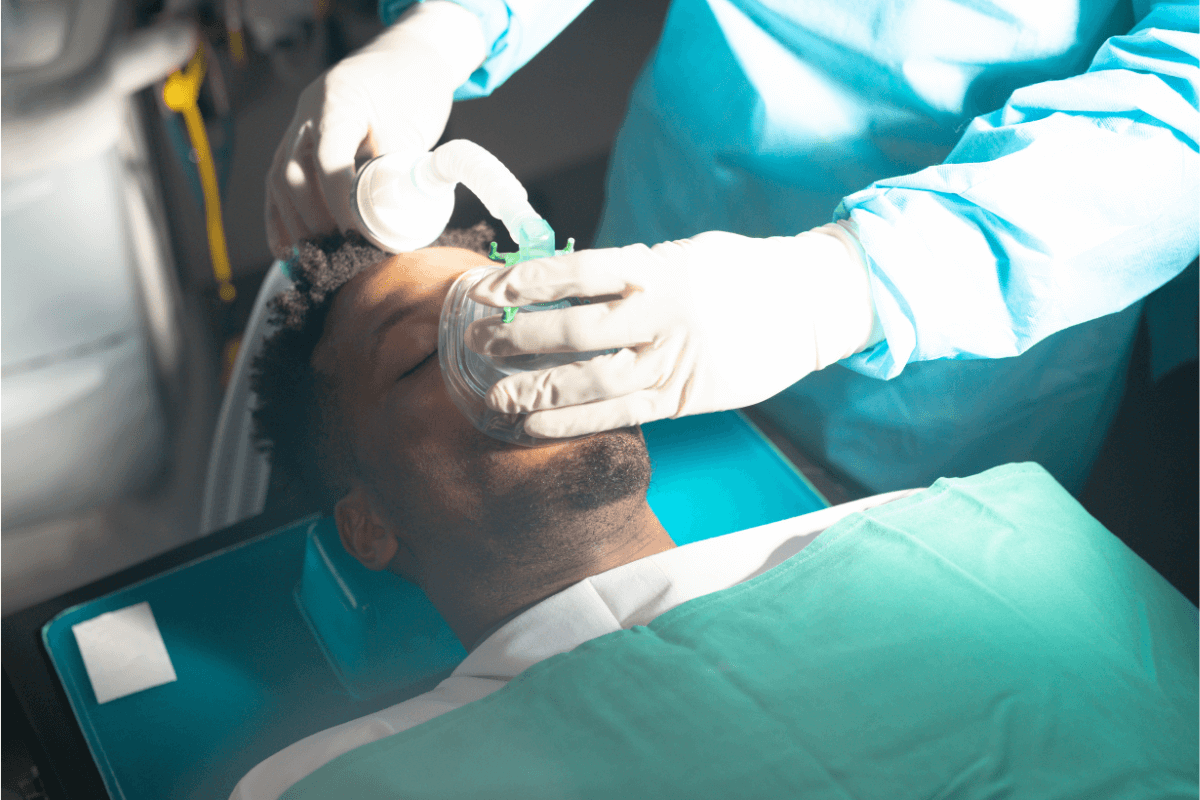
Once you are deemed a suitable candidate, the first step of the procedure is placing the titanium post, the implant, into your jawbone. This is performed under local anesthesia, ensuring you’re comfortable throughout the procedure.
Healing Period
After the implant has been placed, you will undergo several months of healing. In this period, the titanium post will merge with your jawbone, offering a secure base for the artificial tooth.
Placement of the Restoration
Once the healing is complete, the final step will be to attach your new tooth or set of teeth onto the titanium post. The restoration will be custom-made to match the shape, size, and color of your surrounding natural teeth, forming a perfect smile.
Take the Next Step Towards a New Smile
Whether you are missing one or all of your teeth, dental implants can be the perfect solution. If you think that dental implants may be right for you, your next step is to schedule a consultation with a professional. Together, your implant dentist and/or oral surgeon will create an individualized treatment plan to achieve the best possible outcome.
At ReNew Dental Surgery, we specialise in helping our patients attain the smile they have always desired. For more information about the dental implant procedure and how we can help you regain your confidence and oral health, contact us today. Take the first step in your journey to a new smile by booking your consultation today!
FAQs
- What is the recovery time for dental implants?
Recovery can take several months, as the implants need time to fuse with the bone. However, the initial recovery period after the implant is placed typically takes around 1-2 weeks for discomfort to subside. - Are dental implants painful?
Most patients report minimal discomfort during the procedure. Local anesthesia is used to numb the area, and post-procedure discomfort can usually be managed with over-the-counter pain relief. - How long do dental implants last?
With proper care, dental implants can last 20 years or longer, making them a durable and long-term solution for missing teeth. - Can I get dental implants if I have dentures?
Yes, dental implants can be a great solution for those who wear dentures. They offer greater stability and comfort and can help improve your quality of life. - Are there alternatives to dental implants?
Yes, alternatives such as bridges or dentures can replace missing teeth. However, dental implants offer more stability, comfort, and longevity.

Schedule Your Consultation With Us Today!
Don’t wait to enjoy a confident, healthy smile. Contact us today to schedule your consultation and take the first step toward lasting results. Our friendly team is ready to guide you every step of the way.