By ReNew Dental Surgery | February 17, 2026
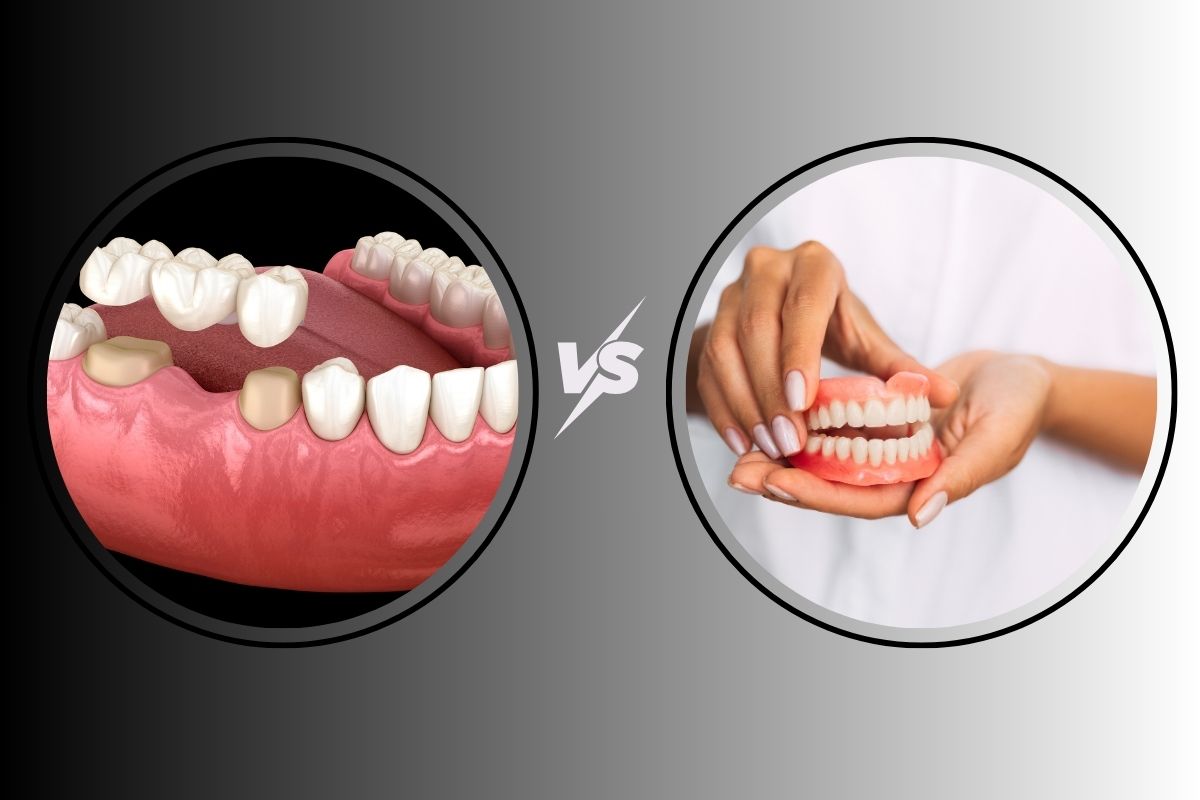
Losing a tooth can disrupt your daily life, affecting your confidence, ability to eat, and even speak comfortably. Thankfully, modern dentistry offers various solutions to restore your smile, with two of the most popular options being implant-supported bridges and dentures. These tooth replacement choices are designed to address missing teeth, but each comes with its own set of benefits and considerations.
At ReNew Dental Surgery in El Monte, we understand the impact missing teeth can have on your life, which is why we offer personalized consultations to help you decide between these two effective treatments.
Whether you’re exploring a stable, long-term solution like implant-supported bridges or a more flexible option like dentures, our team is here to help guide you toward the best choice for your needs.
What are Implant-Supported Bridges?
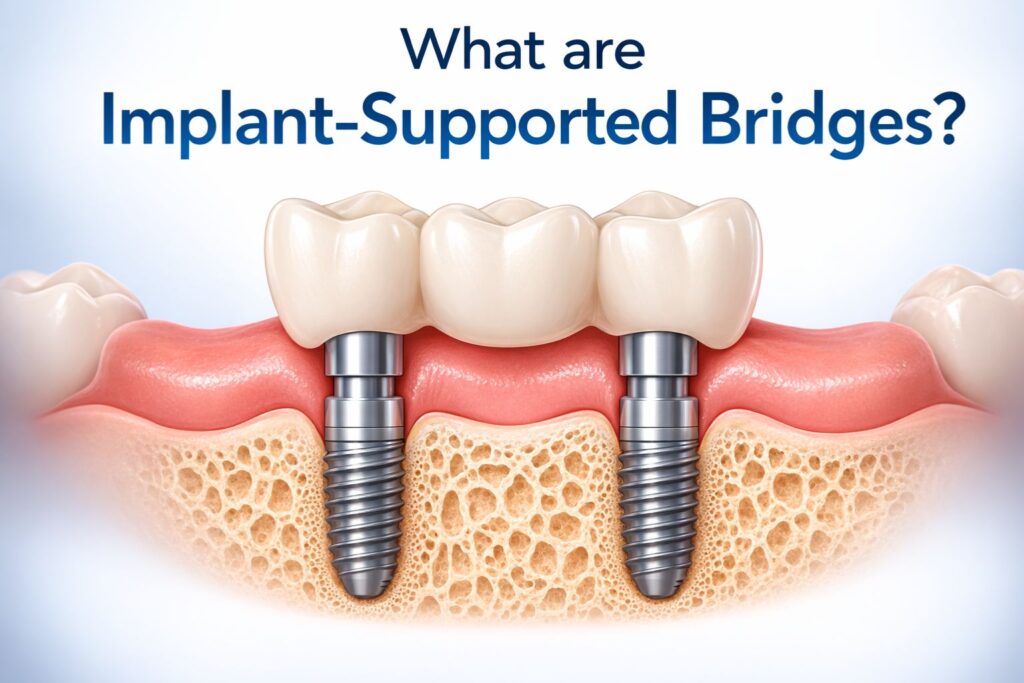
Definition: Implant-supported bridges are a type of dental bridge supported by titanium implants, rather than adjacent natural teeth. Unlike traditional bridges that rely on healthy surrounding teeth for support, implant-supported bridges provide a more secure and long-lasting solution by integrating directly with the jawbone.
How They Work: The process of getting an implant-supported bridge in El Monte begins with the placement of dental implants into the jawbone. Over several months, the implants fuse with the bone through a process known as osseointegration. Once the implants are secure, a custom-made bridge is attached, filling the gap left by missing teeth.
Pros:
- Stability: Unlike dentures, which can slip or shift, implant-supported bridges remain securely in place because they are anchored into the jawbone. This ensures a more stable and comfortable experience.
- Longevity: With proper care, these bridges can last a lifetime, making them a more durable option compared to dentures, which need replacement every few years.
- Natural Appearance: The implants and bridge are designed to look like natural teeth, blending seamlessly with your smile for a realistic and aesthetic result.
Cons:
- Surgical Procedure: The process involves surgery to place the implants into the jaw, which might not be suitable for patients with certain health conditions.
- Treatment Time: The entire process can take several months, as there is a waiting period for the implants to fuse with the bone before the bridge can be attached.
- Cost: Implant-supported bridges are typically more expensive than dentures due to the surgical procedure and the materials involved.
While implant-supported bridges are a great option for those seeking a long-lasting, stable solution, they may not be the best choice for everyone, particularly if you are unable to undergo surgery or lack sufficient bone density.
What are Dentures?
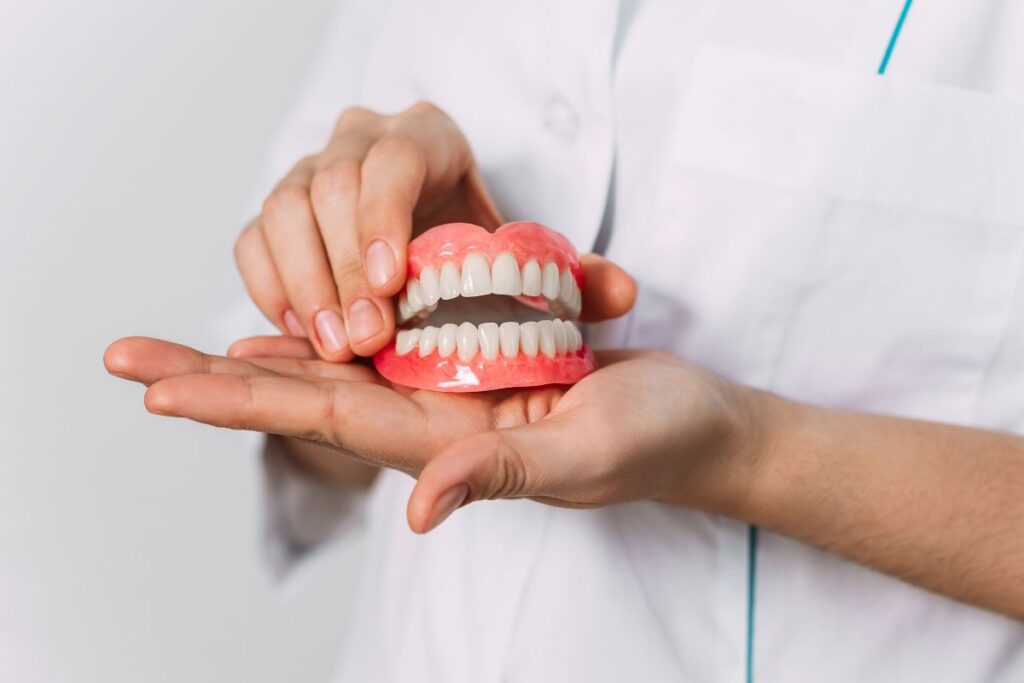
Definition: Dentures are removable appliances used to replace missing teeth. There are two main types: full dentures, which replace all the teeth in a dental arch, and partial dentures, which replace a few missing teeth while leaving the remaining natural teeth intact.
How They Work: Dentures are custom-designed to fit over your gums and restore the function of your teeth. Full dentures cover the entire top or bottom row of teeth, while partial dentures are used when only some teeth are missing. These appliances are typically secured with natural suction or clasps that attach to existing teeth.
Pros:
- Affordability: Dentures are typically less expensive upfront compared to implant-supported bridges, making them a popular option for those on a budget.
- Quick Process: The fitting and creation of dentures usually takes a much shorter time compared to implant-supported bridges, making them an attractive option for those looking for immediate results.
- Non-Surgical: Unlike implant-supported bridges, dentures don’t require surgery, which makes them ideal for individuals who are unable to undergo surgical procedures.
Cons:
- Comfort and Fit: While dentures can be comfortable, they may not offer the same stability as implant-supported bridges. They can shift or slip, particularly when eating or speaking.
- Maintenance: Dentures need to be removed and cleaned regularly to avoid bacteria build-up and to ensure a proper fit. They may also require adjustments over time.
- Potential for Discomfort: Over time, dentures can become less comfortable due to changes in the shape of your gums and bone, leading to the need for periodic adjustments.
Dentures are a practical and cost-effective solution for many, but they may not provide the level of comfort and permanence that some patients are looking for.
Comparing Implant-Supported Bridges and Dentures
When deciding between implant-supported bridges and dentures, there are several factors to consider:
Stability and Comfort: Implant-supported bridges are anchored in the jawbone, providing superior stability and comfort compared to dentures, which can slip or shift. This makes implant-supported bridges a better choice for those who prioritize security and comfort.
Aesthetic Appeal: Both options can be customized to match your natural teeth, but implant-supported bridges tend to offer a more natural look and feel. Dentures, while also customizable, may not feel as secure, which can affect their appearance and functionality.
Cost Considerations: Dentures are generally more affordable upfront, making them a budget-friendly option for those with immediate tooth replacement needs. However, implant-supported bridges, while more costly initially, may provide greater long-term value due to their durability and permanence.
Longevity and Durability: Implant-supported bridges are more durable, often lasting a lifetime with proper care, whereas dentures typically need to be replaced every 5-10 years due to wear and tear.
Maintenance: Both options require maintenance, but implant-supported bridges are easier to care for since they don’t need to be removed for cleaning. Dentures, on the other hand, require regular removal and cleaning to maintain their fit and hygiene.
Ideal Candidates for Implant-Supported Bridges
An implant-supported bridge in El Monte is ideal for patients who have:
- Good overall health: Since the procedure involves surgery, patients should be in good health to avoid complications.
- Sufficient bone density: The success of dental implants depends on the bone’s ability to integrate with the titanium posts. Patients with bone loss may require bone grafting to ensure a stable foundation.
- A desire for a permanent solution: If you’re looking for a long-lasting, low-maintenance option, implant-supported bridges are a great choice.
For many patients seeking a permanent, stable solution to missing teeth, implant-supported bridges offer a secure and aesthetic option. At ReNew Dental Surgery, we can evaluate your candidacy and guide you through the process.
Ideal Candidates for Dentures
Dentures are a great option for patients who:
- Have multiple missing teeth: Dentures are ideal for those with widespread tooth loss who need a solution to restore their smile.
- Have insufficient bone density: If you don’t have enough bone for implants, dentures provide a non-invasive alternative.
- Need a cost-effective solution: Dentures are generally more affordable than implants, making them an attractive option for those on a budget.
Whether you’re missing several teeth or all of them, dentures can provide a functional and aesthetic solution. If you’re unsure whether dentures or implants are right for you, our team at ReNew Dental Surgery is happy to discuss your options.
The Decision-Making Process: Which Option Is Right for You?
When considering implant-supported bridges or dentures, it’s important to evaluate your unique needs:
- Oral Health: The state of your gums and bone will affect whether you’re a good candidate for implants. If you have sufficient bone density, implants may be a better option.
- Budget: Dentures are typically less expensive than implants, but if you’re looking for a long-term solution, implants may offer better value over time.
- Lifestyle and Preferences: Consider how much time you’re willing to commit to treatment and maintenance. Implant-supported bridges require a longer treatment period but offer a more permanent solution.
It’s always a good idea to consult with a dental professional, such as the team at ReNew Dental Surgery, to help you make the right choice based on your specific needs and goals.
Both implant-supported bridges and dentures offer valuable solutions for replacing missing teeth, but each caters to different needs. If you’re looking for a stable, long-term solution, implant-supported bridges may be the right choice. However, if you’re seeking a more affordable or removable option, dentures could be the perfect fit.
At ReNew Dental Surgery, we are here to help you choose the best tooth replacement option for your smile. Contact us today to schedule a consultation and take the first step toward restoring your confidence and dental health.
People Also Ask
How long do implant-supported bridges last?
With proper care, implant-supported bridges can last a lifetime, making them a durable and permanent solution for missing teeth.
Can anyone get implant-supported bridges?
Ideal candidates for implant-supported bridges have healthy gums and sufficient bone structure. If you have bone loss, additional treatments like bone grafting may be needed.
How often do dentures need to be replaced?
Dentures typically need to be replaced or adjusted every 5-10 years due to wear and tear, whereas implant-supported bridges offer a more permanent solution.
Can dentures slip out of place?
Yes, dentures can slip or shift, especially while eating or speaking, but proper fit and adhesive can help minimize this issue.
How long does it take to get implant-supported bridges?
The process can take several months, as it involves implant placement, healing, and fitting the custom bridge, making it a longer treatment compared to dentures.
Related Articles
Schedule Your Consultation With Us Today!
Don’t wait to enjoy a confident, healthy smile. Contact us today to schedule your consultation and take the first step toward lasting results. Our friendly team is ready to guide you every step of the way.