By ReNew Dental Surgery | February 24, 2026
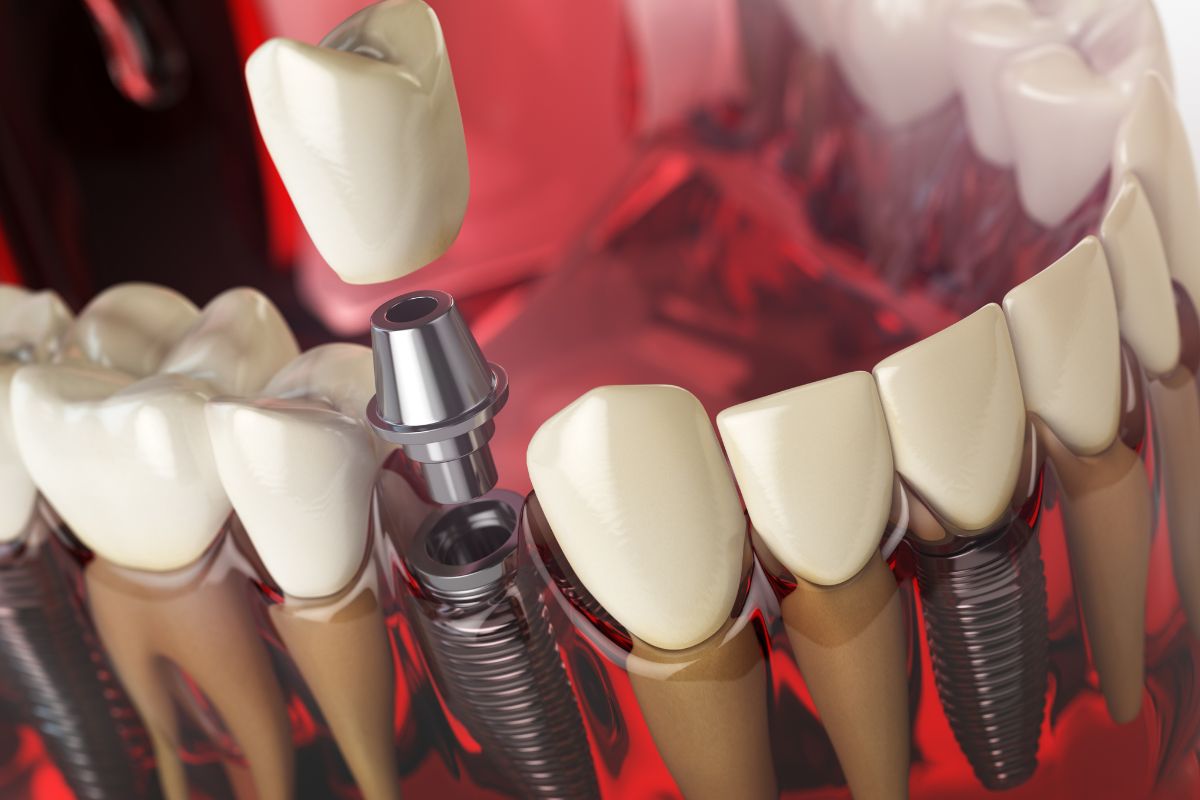
Dental implants are a long-term solution to replacing missing teeth, offering both aesthetic and functional benefits. Not only do they restore the natural appearance of your smile, but they also help maintain your jawbone structure and prevent further tooth loss. Proper care is essential to ensuring the longevity of your dental implants, as neglecting them can lead to complications like implant failure or infection.
Just as you would care for your natural teeth, daily maintenance and long-term care are key to maximizing the life of your implants. In this blog, we’ll guide you through the daily and long-term care practices to help your implants remain in optimal condition, supporting your smile for years to come.
Daily Care for Dental Implants
Maintaining dental implants requires a commitment to proper oral hygiene to ensure their longevity and functionality. Here are key daily practices for keeping your teeth implants healthy:
Proper Brushing:

Just like your natural teeth, dental implants require regular brushing to prevent plaque buildup and maintain oral hygiene. To avoid damaging the implant and surrounding gums, use a soft-bristled toothbrush and non-abrasive toothpaste.
Hard bristles or gritty pastes can scratch the implant surface, leading to plaque accumulation. Brush your implants gently in a circular motion, making sure to cover all surfaces. Be sure to brush twice a day, once in the morning and once before bed, so that plaque doesn’t have time to harden into tartar. This will also help maintain the gum tissue surrounding the implant, which plays a crucial role in holding the implant in place.
Flossing and Interdental Care:

Flossing is essential for maintaining the health of both your implants and your gums. For dental implants in El Monte, regular floss may not always be the best choice, as it could irritate your gums or damage the implant surface. Specialized dental tape or implant-specific floss is a better option for gentle yet effective cleaning between the implant and adjacent teeth.
Additionally, using a water flosser can be an excellent tool for cleaning around implants. A water flosser helps remove food particles and bacteria that can accumulate in hard-to-reach areas without irritating them.
Another option is interdental brushes, which are small enough to fit between teeth and around implants, helping to clear plaque and debris without harming the gumline.
Avoiding Harmful Habits:
Certain habits can negatively affect the lifespan of your dental implants. One of the most damaging habits is teeth grinding, which puts excessive pressure on your implants, potentially causing them to loosen or fail. If you suffer from bruxism (teeth grinding), particularly during sleep, consider wearing a night guard. This simple device will protect your implants and natural teeth from the effects of grinding.
Additionally, avoid chewing on hard objects, such as ice, pens, or hard candy. These items can cause fractures or damage both natural teeth and implants. While dental implants are durable, they’re not invincible, and excessive force or impact can lead to complications.
By being mindful of these habits and using the proper tools for oral care, you’ll protect your implants and ensure they function optimally for years to come.
Long-Term Care for Dental Implants
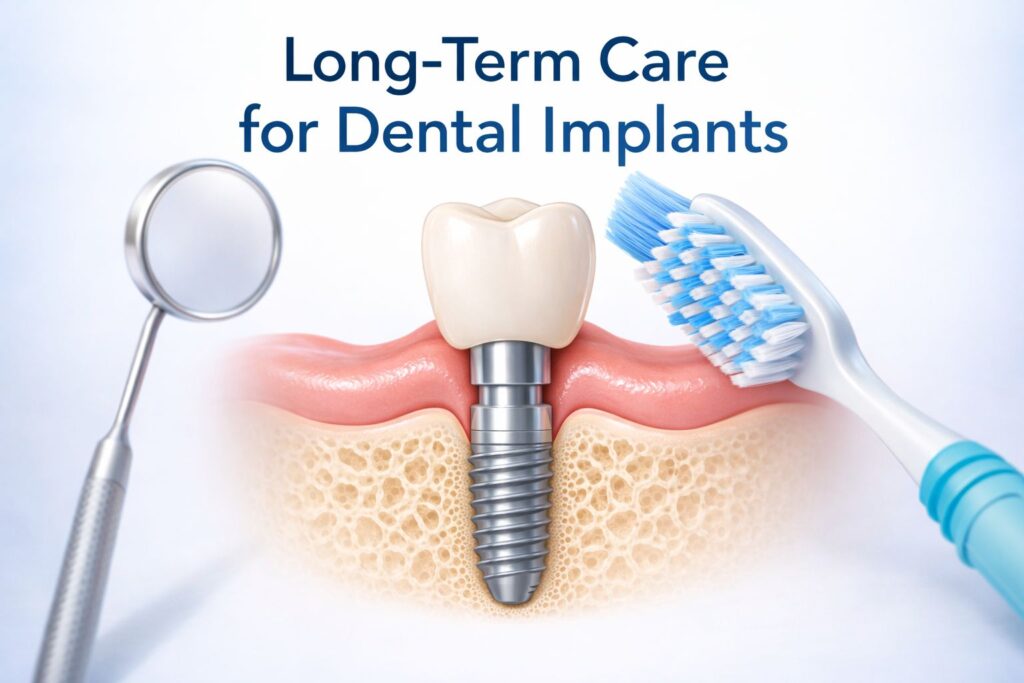
Maintaining the health of your dental implants goes beyond daily care. Long-term care is equally important to ensure their durability and functionality. Here are some crucial practices for keeping your implants in top condition:
Routine Dental Check-ups:
Regular dental check-ups are vital for the long-term success of your implants. While implants are a durable solution, professional maintenance is still necessary to ensure they remain healthy. A dentist will perform thorough cleanings to remove plaque and tartar that can build up around the implant and gum line.
During your check-up, the dentist will also examine the implant to ensure that it remains secure and free from infection. These visits allow your dentist to monitor the health of your gums, the bone structure around the implant, and the overall condition of the implant itself.
Most dental professionals recommend visiting every six months for a check-up, but your dentist may suggest more frequent visits depending on your unique needs. Early detection of any issues can prevent more serious complications down the road.
Monitoring for Signs of Problems:
While dental implants in El Monte are built to last, it’s important to stay vigilant for any signs that something might be wrong. Common warning signs of implant issues include swelling, tenderness, discomfort, or a feeling that the implant is loose.
Swelling or redness around the implant site could indicate an infection, while discomfort might signal problems with the implant or surrounding tissue. If you experience any of these symptoms, contact your dentist immediately for a thorough examination.
Left unchecked, issues like infections or bone loss can lead to implant failure. The earlier any problems are addressed, the easier it is to prevent further complications. Regularly checking for these signs and seeking timely dental care will help ensure your implants remain functional and healthy for years to come.
Avoiding Certain Foods:
While dental implants are strong, they are not invulnerable. Certain foods can put extra stress on your implants and may cause damage over time. For example, sticky foods like caramel or taffy can cling to the implant and cause plaque buildup, which may lead to gum irritation or infection.
Hard foods such as nuts, ice, or hard candy should also be avoided, as biting down on them can cause fractures or wear on the implant and surrounding teeth. Chewing excessively hard foods might not only damage the implant itself but also the surrounding gums and bone.
Instead, choose softer foods that are easier on both your implants and natural teeth. By avoiding these foods, you reduce the risk of implant-related complications and contribute to the overall longevity of your implants.
Additional Tips for Longevity of Implants
In addition to your daily and long-term care routine, here are some extra tips that can help you maximize the lifespan of your dental implants.
Use of Night Guards for Teeth Grinding:
If you grind your teeth at night, wearing a night guard is one of the best ways to protect your implants from excessive pressure. Bruxism can cause your implants to shift or become damaged over time.
A night guard helps absorb the pressure and protects your implants from grinding-related wear and tear. Be sure to consult your dentist to get a custom-made night guard that fits comfortably and securely.
Maintaining Healthy Gums Around Implants:
Just as your natural teeth depend on healthy gums for support, your dental implants also rely on healthy gums to stay in place. Make sure to practice good gum care by brushing and flossing regularly, as well as staying hydrated.
Proper hydration helps maintain the moisture in your gums, preventing dryness or irritation that could compromise implant stability. If you notice your gums are receding around the implant or are experiencing pain or inflammation, talk to your dentist about potential solutions to keep your gums healthy.
Proper care for your dental implants is crucial in ensuring they remain a long-lasting and functional solution to missing teeth. Daily care, such as proper brushing, flossing, and avoiding harmful habits, will help keep your implants in top condition.
Long-term care, like routine dental check-ups and being mindful of the foods you eat, can help preserve the integrity of your implants. By following these tips and maintaining regular dental visits, you can enjoy a healthy smile for years to come.
At ReNew Dental Surgery, we’re committed to helping you keep your dental implants in excellent condition. If you have any concerns or would like personalized advice on maintaining your implants, don’t hesitate to schedule an appointment with us. Our team of professionals is here to provide the care you need for a healthy, beautiful smile.
Are you ready to take the next step in your dental implant care? Contact ReNew Dental Surgery today to schedule your next check-up and ensure your implants continue to perform at their best.
People Want to Know
Can dental implants get cavities?
No, dental implants themselves cannot get cavities, but the surrounding gums and natural teeth can still develop problems. Regular brushing and flossing are essential to keep everything healthy.
What should I do if my dental implant feels loose?
If your dental implant feels loose or you notice any discomfort, contact your dentist immediately. It could be a sign of infection or other complications that need attention.
Are there any foods I should avoid after getting dental implants?
Yes, avoid sticky foods like caramel or taffy and hard foods like ice or hard candy. These can put pressure on your implants or cause plaque buildup, leading to complications.
How long do dental implants typically last?
With proper care, dental implants can last a lifetime. Regular dental visits and maintaining good oral hygiene are essential to ensuring their longevity.
Is it normal to feel discomfort after getting a dental implant?
Some discomfort or swelling is normal after the procedure, but it should subside within a few days. If pain persists, contact your dentist to rule out any complications.
Schedule Your Consultation With Us Today!
Don’t wait to enjoy a confident, healthy smile. Contact us today to schedule your consultation and take the first step toward lasting results. Our friendly team is ready to guide you every step of the way.