By ReNew Dental Surgery | February 3, 2026
Have you lost a tooth (or multiple), and now you’re wondering what your options are to restore your smile? Dental implants might be the perfect solution. But with so many types available, how do you decide which one is right for you?
Understanding the different types of implants can help you make an informed decision. In this blog, we’ll break down the three main types of tooth implants: single, multiple, and mini implants.
Each serves a different purpose and offers unique benefits, so it’s essential to know which option best suits your dental needs. Let’s explore these options in detail and see how they can help you restore your smile and boost your confidence.
What Are Dental Implants?
Definition & Overview:
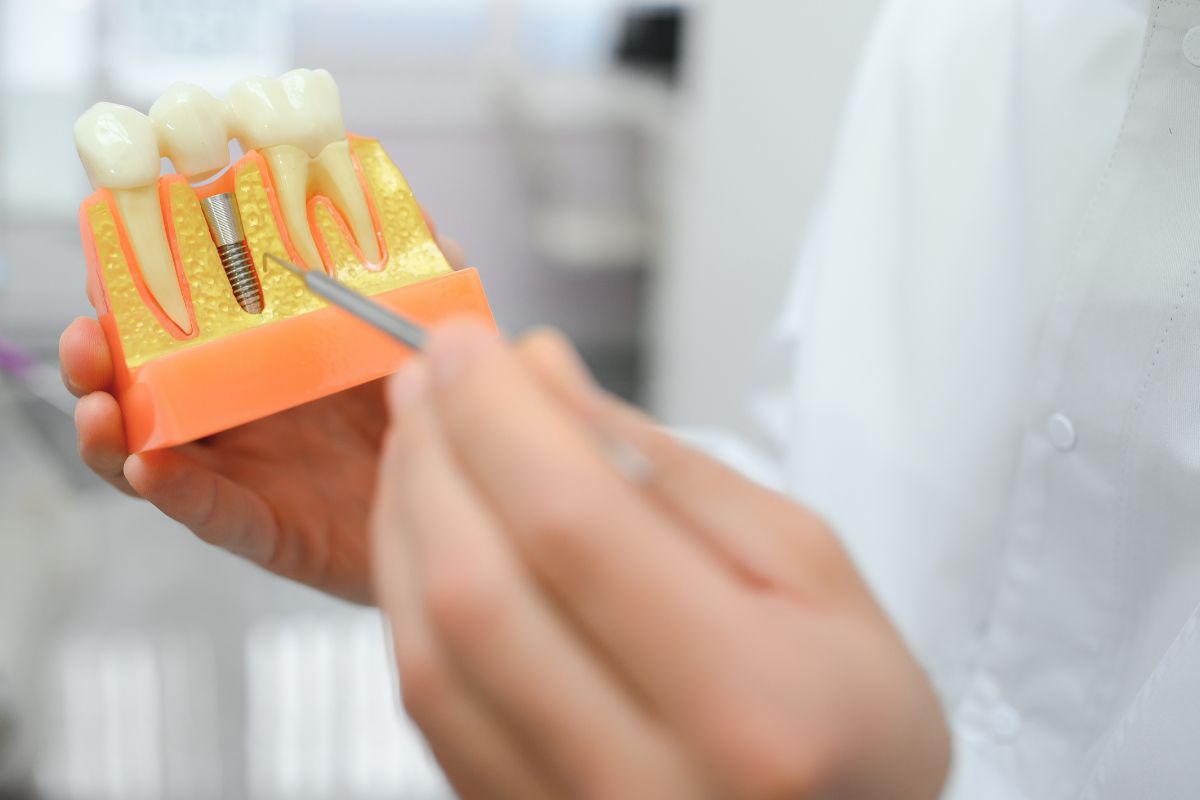
Dental implants are titanium posts that are surgically placed into the jawbone to replace missing teeth. These implants serve as artificial tooth roots, providing a stable base for attaching crowns, bridges, or dentures.
Unlike other solutions like dentures or bridges, implants offer a permanent and natural-looking replacement that blends seamlessly with your existing teeth.
Importance of Dental Implants:
Dental implants in El Monte are considered the gold standard in tooth replacement due to their durability, functionality, and aesthetic appeal. Unlike dentures, which can slip or require regular adjustments, implants provide a secure and comfortable solution. They also help preserve your jawbone’s integrity by stimulating bone growth, preventing bone loss that typically occurs after losing a tooth.
In addition, implants improve speech, chewing ability, and overall oral health, making them an ideal choice for anyone looking for a reliable long-term solution to tooth loss.
Single Dental Implants
What Is a Single Dental Implant?
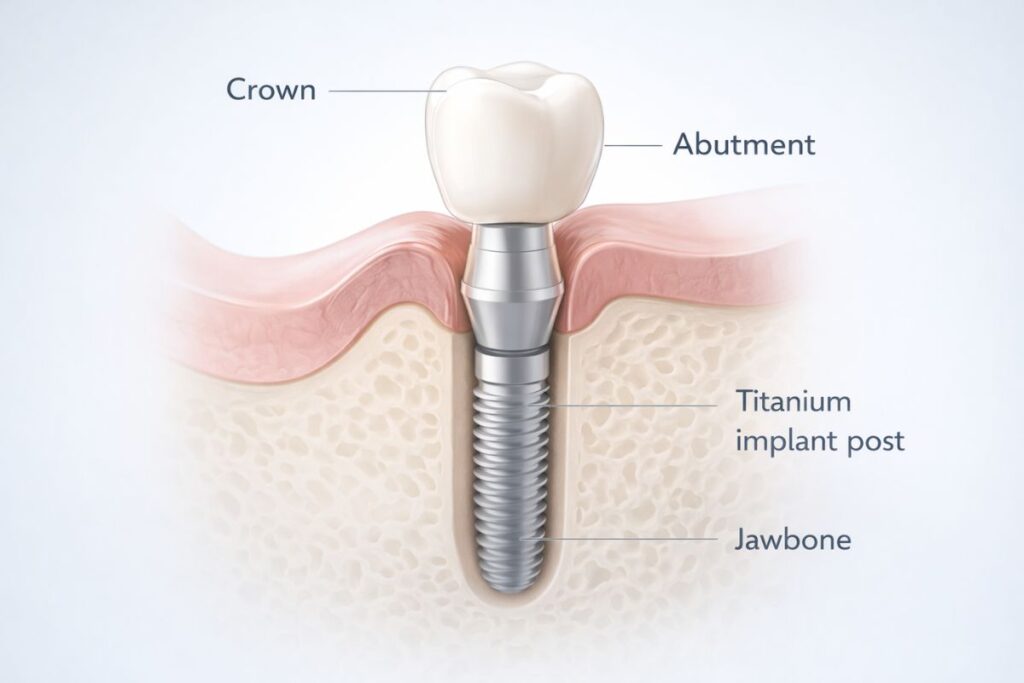
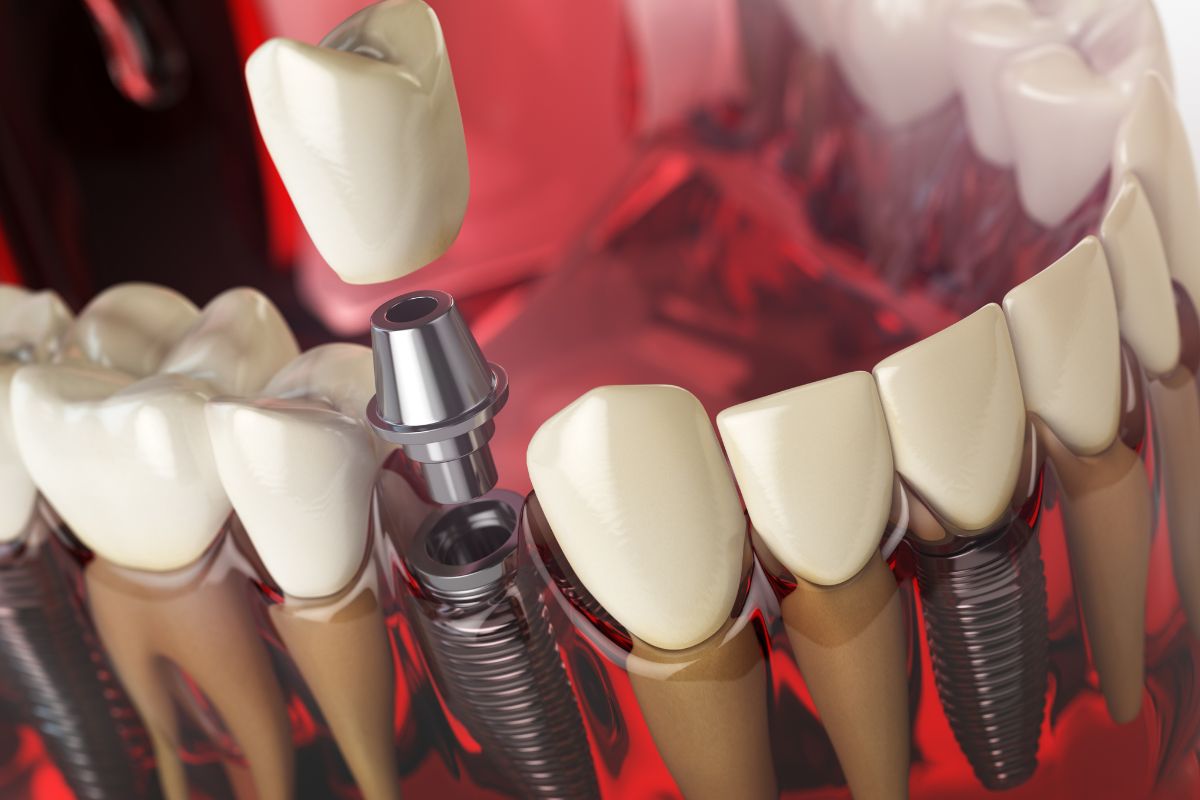
A single dental implant is a one-tooth replacement solution designed to restore a single missing tooth. The implant consists of a titanium post that is surgically inserted into the jawbone, followed by a crown attached to the top of the post, mimicking the appearance and function of a natural tooth.
Procedure:
The procedure for a single dental implant involves several steps:
- Initial Consultation: Your implant specialist will assess your oral health, bone density, and overall suitability for the procedure.
- Implant Placement: The titanium post is surgically placed into the jawbone.
- Healing Period: After the post is placed, a healing period of 3-6 months is needed to allow the implant to fuse with the bone, a process called osseointegration.
- Crown Placement: Once healing is complete, a custom crown is attached to the implant to restore the appearance and function of the missing tooth.
Benefits:
- Aesthetic Appeal: Single implants blend in seamlessly with natural teeth, providing a beautiful, natural-looking smile.
- Functionality: Dental implants are highly functional, allowing you to eat, speak, and smile with confidence.
- Preserves Jawbone Health: By stimulating the jawbone, implants prevent bone loss, which often occurs after tooth loss.
Ideal Candidates:
Single implants are best suited for individuals who have one missing tooth and adequate jawbone density. Good oral health is also a crucial factor for successful implantation.
Multiple Dental Implants
What Are Multiple Dental Implants?
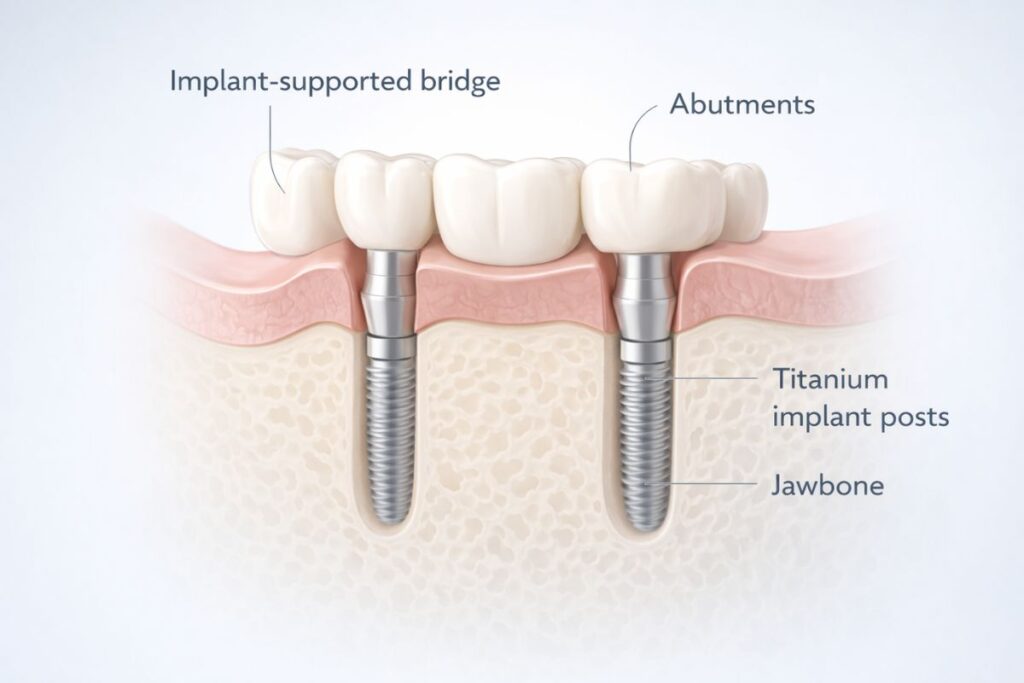
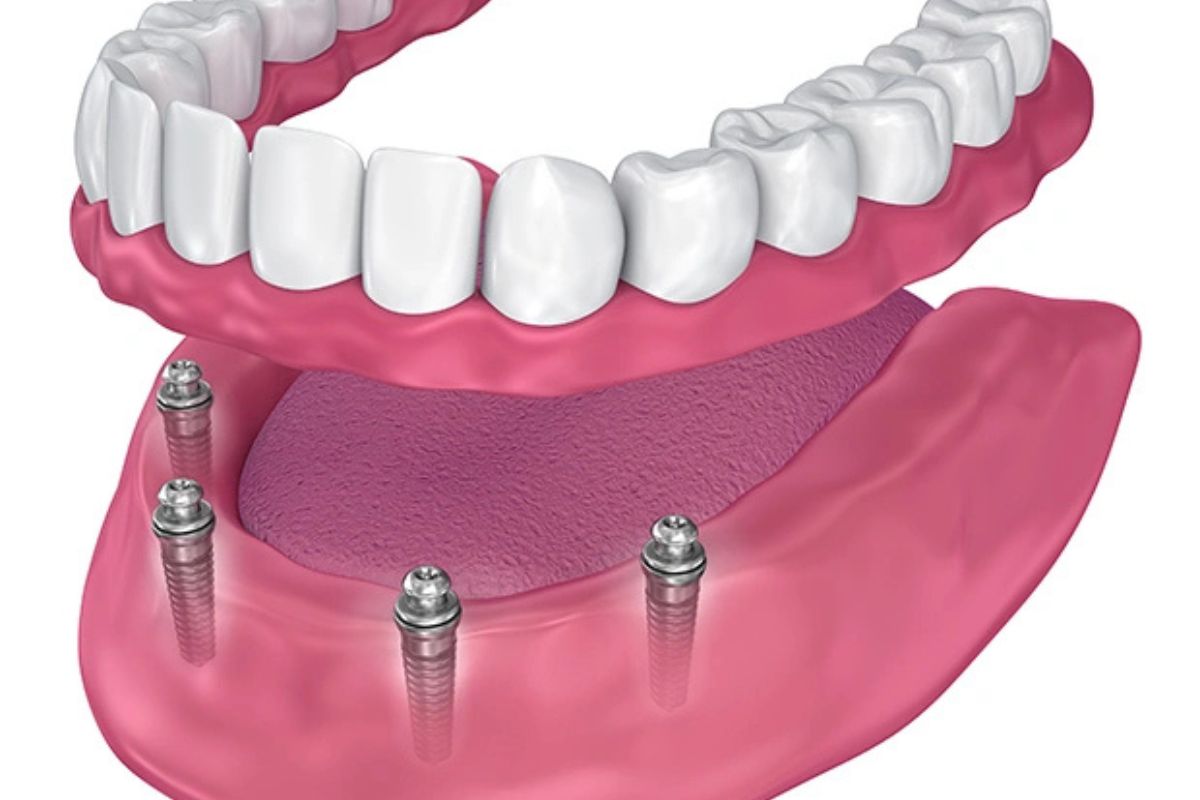
Multiple dental implants are used when more than one tooth is missing. These implants can replace several teeth in a row or even an entire dental arch. Instead of using removable dentures, multiple implants provide a permanent solution that mimics the function and appearance of natural teeth.
Procedure:
The process for multiple ones is similar to that of single implants, but on a larger scale:
- Consultation: Your professional will evaluate your oral health and bone density to determine the best approach for multiple implants.
- Implant Placement: Multiple titanium posts are placed strategically in the jaw to support the new teeth.
- Healing: As with single implants, healing and osseointegration take place over a few months.
- Restoration: Once healed, crowns, bridges, or dentures are attached to the implants, restoring your smile.
Benefits:
- Preserves Natural Bone: Multiple implants prevent bone loss, preserving your natural jaw structure.
- No Need for Removable Dentures: Multiple implants allow for a fixed solution that doesn’t require removal or adjustment like traditional dentures.
- Improved Comfort and Function: Implants provide a more secure and comfortable fit than removable dentures, improving speech and chewing abilities.
Ideal Candidates:
Multiple implants are ideal for individuals who have lost several teeth but still have enough bone density to support the implants.
Mini Dental Implants
What Are Mini Dental Implants?
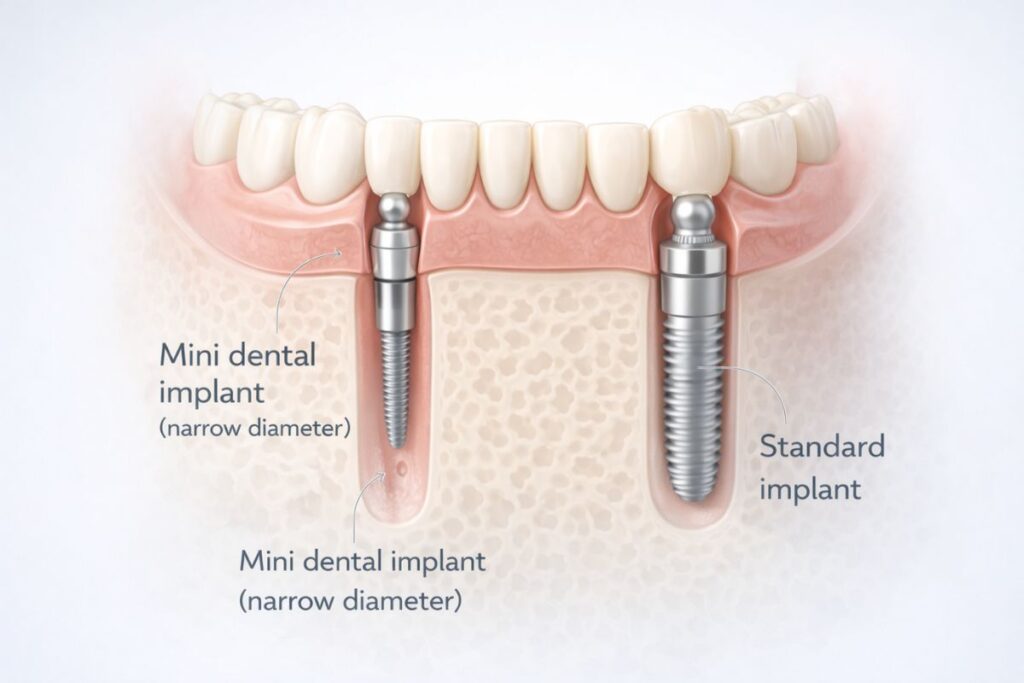
Mini implants are smaller versions of traditional implants, designed for patients with insufficient bone density. These implants are often used for anchoring dentures or replacing smaller teeth.
Procedure:
The procedure for mini dental implants is less invasive than traditional implants:
- Consultation: Your implant specialist will assess your jawbone and determine if mini implants are a suitable option.
- Implant Placement: A smaller titanium post is placed into the jawbone, requiring less bone material compared to traditional implants.
- Healing: The recovery time for mini implants is generally quicker than that of regular implants.
- Restoration: Dentures or crowns are affixed to the mini implants, providing a stable and secure replacement for missing teeth.
Benefits:
- Less Invasive: The procedure is less invasive, and the recovery time is quicker compared to traditional implants.
- Quicker Recovery: Patients typically experience a shorter recovery period due to the minimally invasive nature of mini implants.
- Ideal for Limited Bone: Mini implants are a great option for patients with limited bone density or height, who may not be candidates for traditional implants.
Ideal Candidates:
Mini implants are best suited for patients who have insufficient bone height or density and need an alternative to traditional implants. They are also ideal for denture wearers who want more stability.
How to Choose the Right Dental Implant for You
Factors to Consider:
When deciding which type of dental implant is right for you, there are several factors to consider:
- Bone Density and Oral Health: If you have sufficient bone structure, you may be eligible for single or multiple implants. For those with limited bone, mini implants may be a better option.
- Budget: Consider the cost of each option, as mini implants may be more affordable than traditional implants.
- Personal Preference: Decide whether you prefer a permanent solution like traditional implants or if you’re looking for a less invasive, quicker procedure like mini implants.
Consultation:
It’s essential to schedule a consultation with a professional to discuss your options. Your specialist will evaluate your needs and help you determine the best course of action based on your specific situation.
To recap, implants are a fantastic option for replacing missing teeth, whether it’s a single tooth, multiple teeth, or if you need a more affordable solution like mini implants. Each option offers unique benefits, and the best choice depends on your specific needs, bone density, and budget.
If you’re ready to restore your smile and your confidence, contact ReNew Dental Surgery to learn more about your implant options today! Our team is here to guide you every step of the way.
People Also Ask
How long do implants last?
Dental implants are designed to be a long-lasting solution. With proper care, they can last a lifetime, though the crown on top may need to be replaced every 10-15 years due to wear and tear.
What is the recovery time for dental implants?
Recovery time varies based on the type of implant and your overall health. For most patients, the healing process for the implant post (osseointegration) takes 3-6 months. After that, the final restoration (crown, bridge, etc.) is placed, and most people experience full recovery within a few weeks.
Can I get dental implants if I have gum disease?
If you have gum disease, it’s essential to treat it before getting implants. Gum disease can weaken the bone and lead to implant failure. Your inplant specialist will likely recommend a treatment plan to address the gum infection before proceeding with implants.
Can dental implants be placed immediately after tooth extraction?
In some cases, implants can be placed immediately after tooth extraction in a procedure known as “immediate implant placement.” However, this depends on the health of the remaining bone and the condition of the site. Your specialist will evaluate whether this approach is suitable for you.
Can implants be used to replace all my teeth?
Yes, dental implants can replace all your teeth. In cases of extensive tooth loss, implant-supported dentures or full-arch implants can be used to restore an entire set of teeth. This solution provides better function and comfort than traditional dentures.
Schedule Your Consultation With Us Today!
Don’t wait to enjoy a confident, healthy smile. Contact us today to schedule your consultation and take the first step toward lasting results. Our friendly team is ready to guide you every step of the way.